Health & Wellbeing
Longevity Science's New Frontier: Blood Proteins, Senescent Cells, and the Quest to Predict — and Delay — Death
By Staff · July 19, 2026
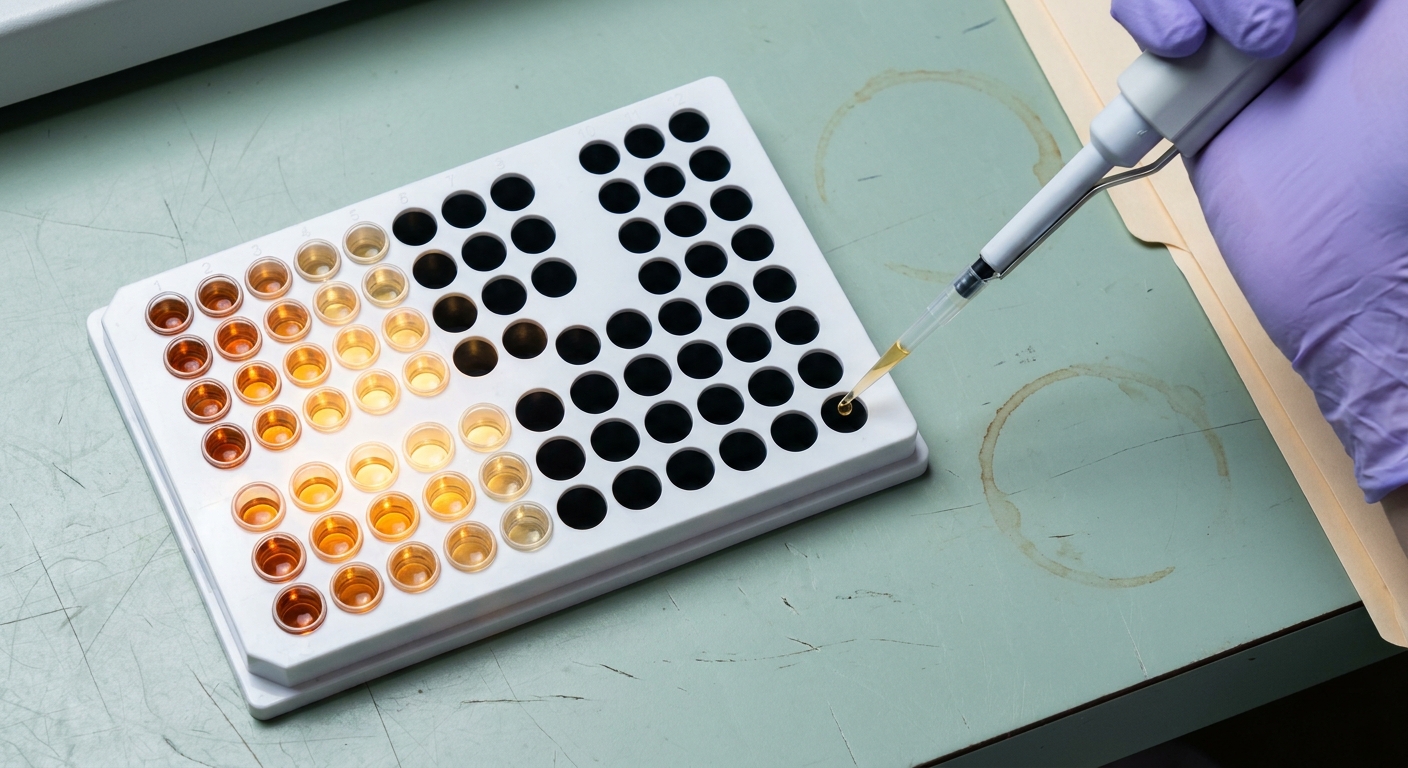
A 20-protein blood test tied to liver and immune function predicted all-cause mortality in older adults better than standard clinical measures—including age, blood pressure, and cholesterol—reaching a C-index of 0.81. The score held up across independent cohorts, positioning it as a scalable biomarker platform for early intervention. If deployed widely, such a test could identify high-risk patients years before symptoms appear, enabling preventive therapies that reduce late-stage, high-cost disease—but only if insurance covers it and community clinics adopt it.
Anti-aging interventions are also moving from lab to clinic. Avaí Bio and Austrianova completed a Good Manufacturing Practice master cell bank of genetically modified cells that overexpress alpha-Klotho, a key manufacturing milestone for their anti-aging therapy. The cell bank is undergoing independent viral and adventitious agent testing before seeding a working cell bank that will support production of encapsulated cell therapy products. The therapy is intended to restore declining Klotho levels in aging and age-related diseases, including chronic kidney disease, neurodegenerative disorders, and vascular conditions. The move to GMP manufacturing signals a broader maturation of the longevity biotech sector toward clinical translation.
Revel Pharmaceuticals, Calico, and academic collaborators engineered an enzyme called CMLase that reverses Nε-carboxymethyl-lysine, a long-lived advanced glycation end product and chemical hallmark of aging, directly on human tissues ex vivo. CMLase was created via directed evolution of more than 500 million variants from a bacterial glycine oxidase scaffold. It removes over 70 percent of CML modifications in arterial tissue from a 75-year-old donor and more than 55 percent in aged skin, bringing skin CML levels below those typically seen in 31-year-old tissue. The study, published in Nature Communications, demonstrates that long-standing glycoxidative damage in human tissue can be enzymatically reversed under laboratory conditions.
The evidence also complicates easy claims about familiar anti-aging strategies. A systematic review of 27 human trials involving 3,811 participants found that calorie restriction reliably lowers circulating inflammatory SASP proteins, while rapamycin showed context-dependent effects. Neither intervention had much demonstrable impact on core senescent-cell markers such as p16 and p21—meaning they suppress inflammation but do not clear senescent cells. Calorie restriction is best understood as the most reliable intervention for suppressing SASP-related inflammatory markers, while rapamycin is best classified as a senomorphic rather than a senolytic. The findings show that scientists are learning which biological levers actually drive aging—and that not every popular longevity intervention delivers on its promise.
The contest now is whether tools that predict risk and target aging-related damage become part of ordinary preventive care—or another layer of medicine first available to people with money, time, and elite access. A New England Journal of Medicine study tracking more than 73,000 adults aged 50 to 85 in the US and Europe found that Americans die earlier than Europeans at every wealth level, with the wealthiest 25 percent of Americans having survival rates similar to the poorest 25 percent of Europeans in western parts of Europe. The gap is attributed to the fragmented US healthcare system, higher chronic disease burden, and deep-seated socioeconomic inequalities that undermine broad access to effective prevention.
If protein-based mortality tests and anti-aging therapies are deployed only through concierge clinics or specialty centers, they will deepen the existing two-tiered system—offering early intervention to the wealthy while working families and Medicaid patients receive care only after disease is advanced and expensive. A World Economic Forum report found that a five-year career break for caregiving can reduce retirement savings by nearly 30 percent, compounding later-life financial and health insecurity.
Meanwhile, the clinical pipeline is filling. UCLA researchers are calling for human studies to determine whether creatine-enhanced immune cells can fight cancer, following promising mouse-model results published in iScience. Lili Yang, an immunologist at UCLA, said clinical studies are the necessary next step to determine efficacy in humans. The alpha-Klotho cell therapy will move from master cell bank to working production bank, setting the stage for clinical trials that will test whether the therapy delivers on its promise in people.
Whether protein mortality tests reach community clinics and receive Medicare coverage, whether anti-aging therapies are priced for broad access, and whether public health agencies invest in prevention rather than remaining focused on late-stage treatment—these decisions will determine whether longevity science narrows the health gap or widens it.