Economy
Inflation Cools to 3.5% in June, Easing Pressure on Consumers and the Fed — But Prices Still Run Hot by Historical Standards
By Staff · July 19, 2026
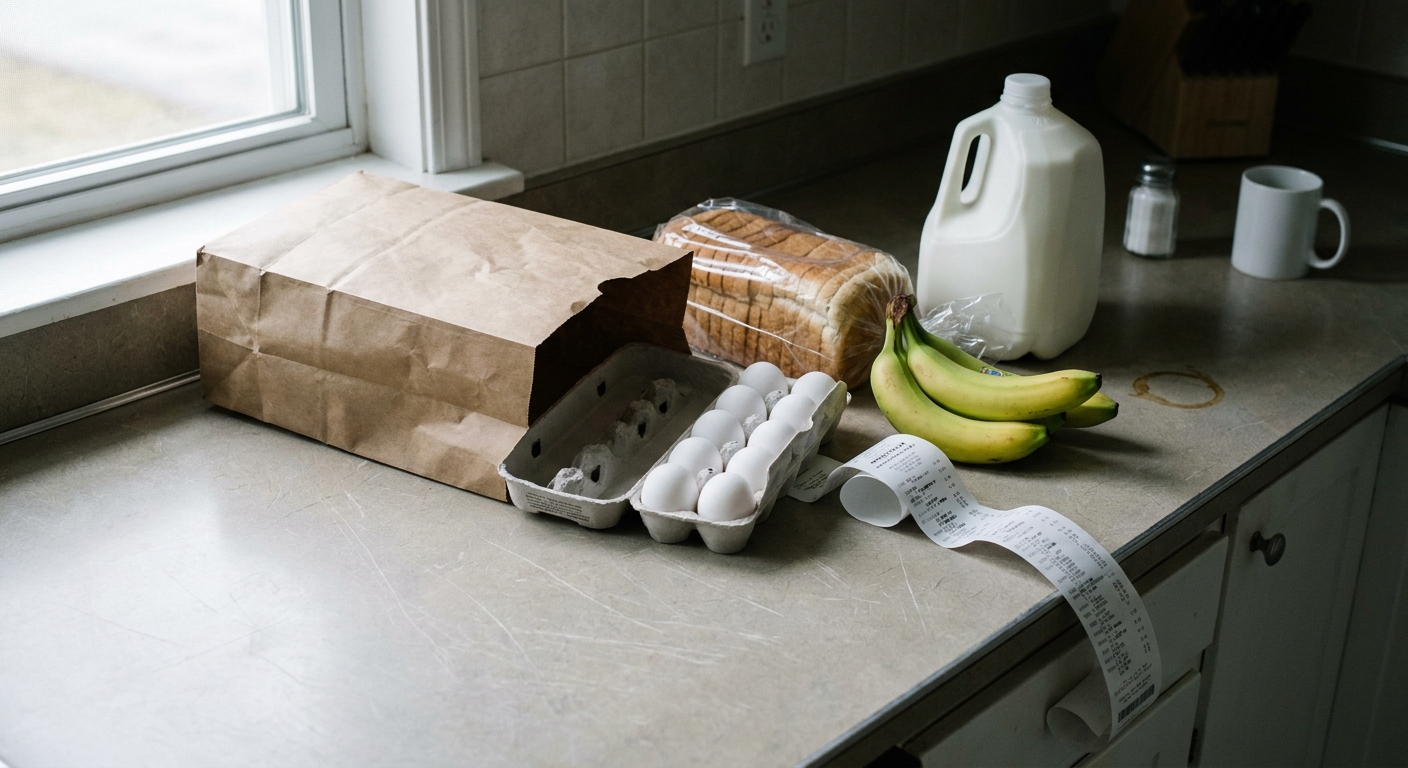
For households watching gas receipts, grocery totals and rent checks, June brought a measure of relief — but not a reset. U.S. inflation cooled to 3.5% in June, down from 4.2% in May, according to the Consumer Price Index released by the Bureau of Labor Statistics on July 14. The reading came in below the 3.8% consensus forecast. The index also fell 0.4% from May, its largest monthly decline since April 2020.
That means the cost of living is rising more slowly, not that the higher prices families have absorbed over recent years are coming back down. June's report offers a little more breathing room, particularly at the gas pump, while leaving the larger question intact: Can inflation cool enough to lower borrowing costs without prolonging the squeeze on rent, food and other essentials?
Financial markets took the report as a sign the Federal Reserve may have less reason to raise rates quickly. The 10-year Treasury yield fell to about 4.555% on July 15, from a high of 4.62% on July 13. Lower Treasury yields can ease pressure on mortgage rates, auto loans and credit-card balances. But the Fed is nowhere near declaring victory. Its federal funds rate target stood at 3.5% to 3.75% as of July. Futures markets in mid-July still pointed to roughly 30 basis points of rate increases, taking the rate to around 4% by the end of 2026. Minutes from the Fed's June meeting, released in early July, indicated that rate cuts were not expected until the second quarter of 2027.
June's softer reading undercuts the case for more aggressive tightening, but the Fed remains wary of treating one encouraging month as a reason to ease before price pressures are contained.
Much of June's improvement came from energy rather than a broad rollback in everyday costs. Gasoline prices dropped 9.7% during the month, the largest monthly decline since April 2020. Overall energy prices fell 5.7% from May. Even so, gas was still about 26.7% more expensive than in June 2025, and overall energy prices remained 15.7% higher than a year earlier.
The slowdown was partly tied to a brief U.S.-Iran ceasefire that temporarily reduced oil prices. By late June, gas prices had fallen for six straight weeks, with the national average standing at about $3.86 per gallon, down from a mid-May peak above $4.50.
Meanwhile, the bills families cannot easily avoid kept rising. Shelter prices were up 3.3% from a year earlier and 0.1% from May. Food prices rose 0.2% in June and 3.0% over the year. Core inflation, which strips out food and energy, slowed to 2.6% from 2.9% in May and came in below the 2.8% forecast, with core consumer prices unchanged month over month.
The bigger concern for both the Fed and family budgets is that 2026 inflation has been running about 1 percentage point above earlier forecasts for both headline and core measures. The price index targeted by the Federal Reserve rose 3.7% in the 12 months through June, still 1.7 percentage points above the central bank's 2% target.
That is more than a forecasting miss. It means households trying to budget, save for a major purchase or decide when to buy a home are confronting high costs for longer than expected — and it gives policymakers little room to deliver the rate relief borrowers want.
The broader economy, meanwhile, has continued to grow, reducing pressure on the Fed to cut rates simply to support activity. U.S. GDP grew 2.0% in 2025, and multiple forecasts — from a July 15 economic outlook, the Federal Open Market Committee's June projections, U.S. Bank and KPMG — converge on 2.2% GDP growth for 2026, supported by AI-related investment and labor productivity growth of roughly 2.5% per year over the past two years. Steady expansion has not, however, translated into the household relief people might expect from a stronger economy.
The tradeoff is now plain. Families and borrowers need inflation to cool enough to lower financing costs without costing jobs or wage gains. The Fed, with inflation still well above target, is focused more on price stability than employment. Keeping rates higher for longer could slow job creation or wage growth even as it works to cool prices.
June's 3.5% inflation rate is a real improvement: it beat forecasts, eased market pressure and made additional rate increases look less urgent. But for families balancing a rent check, a grocery bill and a car payment, the difference between slower inflation and lower prices remains substantial. With inflation still about a full percentage point above earlier expectations, energy costs higher than a year ago, and food and shelter still rising, June offers relief at the margins — not a return to affordability.